Reproductive Health

A groundbreaking study from the University of Exeter has revealed that resistance training programs can significantly improve physical function in women undergoing menopause. The research says that such training improves muscle strength, balance, and flexibility, helping to mitigate common menopause symptoms effectively. Thus, it offers a promising non-medicinal intervention for women during this phase.

Key Findings of the Study

The menopause transition often brings a decline in muscle mass, strength, and balance due to reduced estrogen levels, increasing the risk of falls and fractures. In this pioneering study, 72 healthy women aged 40 to 60 who were not on hormone replacement therapy.

Participants were divided into two groups:

  • One followed standard physical activity guidelines.
  • The other participated in a 12-week resistance training program.

The resistance training group showed

  • 19% increase in hip function and lower body strength.
  • 21% improvement in full-body flexibility.
  • 10% enhancement in dynamic balance, mobility, and stability.

Resistance training proved to be an effective, non-pharmacological method to counteract menopause-related physical decline.

Impact of Resistance Training on Menopause Symptoms

  • Muscle Strength & Balance: Resistance exercises help maintain muscle mass and lower the risk of falls and fractures, which are more common post-menopause.
  • Flexibility & Mobility: Women experience improved joint mobility and flexibility, reducing stiffness and discomfort.
  • Reduction in Hot Flashes: A 2024 meta-analysis found that resistance training significantly decreases vasomotor symptoms, such as hot flashes and night sweats.
  • Mental Health Benefits: Resistance training has also been linked to reduced stress, anxiety and improved overall mood in menopausal women.

Relevance for Indian Women

Menopausal health is a growing concern in India, particularly with the high prevalence of osteoporosis and bone-related issues. Studies suggest that:

  • Indian women face an increased risk of osteoporosis due to lower calcium and vitamin D intake.
  • Regular resistance training helps maintain bone density and reduce the risk of fractures.
  • A proactive approach with structured exercise routines can notably improve the quality of life for menopausal women in India.

Wellaura’s Support for Menopausal Health

Wellaura is committed to supporting women through all life stages, including menopause. Our holistic approach includes:

  • Expert-led guidance on resistance training and physical wellness.
  • Personalized fitness plans tailored to women’s unique needs.
  • Consultations to educate and empower women about managing menopause symptoms.

By integrating resistance training into daily routines, women can navigate menopause with strength, confidence, and improved overall well-being. Book a consultation with WellAura today, and let’s navigate this journey together.

Follow us on Instagram, Facebook, and LinkedIn for expert tips, women’s health news, and guidance tailored to support your well-being. Reach out today to learn more about our services and how we can help you prioritize your health!

A recent study published in BMC Public Health explores the link between endometriosis and an increased risk of cardiovascular diseases (CVDs), including hypertension and coronary heart disease. This study underscores the importance of recognizing endometriosis as a

cardiovascular risk factor, urging proactive monitoring and intervention for affected women.

What is Endometriosis?

Endometriosis occurs when endometrium-like tissue grows outside the uterus, affecting pelvic organs such as the ovaries, fallopian tubes, bladder, and intestines. These tissues thicken, break down, and bleed with each menstrual cycle, leading to inflammation, pelvic pain, heavy menstrual bleeding, and pain during intercourse. It affects approximately 176 million women worldwide, with 47% of women experiencing infertility also diagnosed with the condition.

Endometriosis and Cardiovascular Disease

  • Linked to chronic inflammation, oxidative stress, and high lipid levels, which contribute to atherosclerosis.
  • Increased risk of hypertension, hypercholesterolemia, ischemic heart disease (IHD), and myocardial infarction (MI) by 14%, 25%, 40%, and 52%, respectively.
  • Despite these risks, the exact biological mechanisms remain unclear, leading to challenges in managing CVD risk in endometriosis patients.

Study Findings on CVD Risk

  • A systematic review and meta-analysis examined six cohort studies (2000-2023).
  • Women with endometriosis have a 23% increased risk of CVDs and a 13% higher risk of hypertension.
  • The study highlights the need for further research to confirm these findings and identify underlying mechanisms.

Possible Biological and Lifestyle Factors

  • High estrogen levels may negatively impact the cardiovascular system, causing arterial stiffness and atherosclerotic plaque formation.
  • Chronic inflammation and oxidative stress further contribute to heart disease risk.
  • Lifestyle factors such as sedentary behavior, poor diet, alcohol consumption, and smoking are common contributors to both conditions.
  • Genetic predisposition may also play a role, with European studies identifying genetic loci linked to endometriosis and CVD.

Conclusion & Implications

The first meta-analysis confirming the link between endometriosis and CVD underscores the need for early cardiovascular risk assessment and intervention. Clinicians should integrate anti-inflammatory, oxidative stress-reducing, and hormone-targeting strategies into treatment. Lifestyle changes like a balanced diet, exercise, and stress management, along with personalized care, can help reduce CVD risks in women with endometriosis, ensuring better long-term health.

WellAura’s Commitment to Women’s Heart and Reproductive Health

At WellAura, we believe women’s health goes beyond reproductive wellness—it encompasses heart health, mental well-being, and overall vitality. With growing evidence linking endometriosis to cardiovascular diseases, it is crucial for women to take proactive steps in safeguarding their long-term health.

By recognizing endometriosis as a potential risk factor for cardiovascular disease, WellAura stands by women at every stage of their health journey, ensuring early intervention, personalized care, and long-term wellness. 

Follow us on Instagram, Facebook, and LinkedIn for expert tips, health news, and guidance tailored to support your well-being. Reach out today to learn more about our services and how we can help you prioritize your health!

Decisions about reproductive health are deeply personal, often accompanied by a mix of emotions and the need for reliable, empathetic care and professional support. At WellAura Women’s Health and Wellness Center in Sarjapur, we are committed to empowering women by providing services that respect their dignity, privacy, and autonomy. 

If you are looking for Medical Termination of Pregnancy (MTP) services, our expert team ensures your safety, confidentiality, and overall well-being. With a focus on compassionate care, we offer a respectful, non-judgemental and supportive environment where your choices are valued, and your needs are our priority.

What Is Medical Termination of Pregnancy (MTP)?

Medical Termination of Pregnancy (MTP) is a safe and legally approved method in India for ending an early pregnancy under the guidance of certified medical practitioners. It involves either the use of prescribed medications or minor medical procedures, which is permitted for pregnancies up to 20 weeks. Abortion, or MTP, is a safe, minimally invasive option, offering women a reliable alternative to more invasive surgical methods. In India, MTP is governed by the Medical Termination of Pregnancy Act, ensuring legal and ethical practices.

Understanding the Safe Abortion Process at WellAura

The process of MTP is pretty straightforward and safe, involving the following steps: 

Initial Consultation

You will have a comprehensive consultation with our expert gynecologist to assess your health and confirm the pregnancy. This will follow a detailed discussion of available options and an understanding of your decision. 

Medical Assessment

You will be asked to undergo a detailed medical examination, including an ultrasound, to determine the gestational age of the pregnancy. The examination could also include screening for other health conditions requiring attention and care.  

Choosing the Right Method 

  • Medical Method: Involves taking prescribed medications to terminate the pregnancy, suitable for early stages (up to 9 weeks).
  • Surgical Method: This includes procedures like suction evacuation or dilation and curettage, which are used for later stages or when the medical method is not advisable.

Post-Procedure Care

You will need follow-up consultations to ensure optimal recovery and address any health concerns. Follow-up on counseling may also be required to support your emotional well-being. 

Why Choose WellAura Clinic for MTP Services?

  1. Experienced Team: Our clinic is staffed with qualified gynecologists and healthcare professionals who specialize in providing safe and non-judgmental MTP services.
  2. Privacy and Confidentiality: We understand the sensitive nature of this decision and ensure complete confidentiality for all our clients.
  3. Safe Environment: Our clinic adheres to stringent safety protocols and uses only government-approved methods for MTP.
  4. Holistic Approach: We provide emotional and mental health support through counseling to ensure you are comfortable and confident in your decision.
  5. Convenient Location: Located near Sarjapur Road, our clinic is accessible to women in Bengaluru and surrounding areas.
  6. Aftercare Services: We offer comprehensive post-procedure care, including contraceptive counseling to help you plan for the future.
Top 5 Reasons To Visit WellAura Before Your Big Day

Who Can Benefit from MTP?

Women who can benefit from MTP services include:

  • Those experiencing an unplanned pregnancy.
  • Individuals who have experienced contraceptive failure.
  • Women with pregnancies that pose a risk to their health.
  • Cases of fetal abnormalities diagnosed during the early stages of pregnancy.
  • Situations involving personal or social reasons to discontinue the pregnancy.

Legal and Ethical Considerations

In India, MTP is governed by strict legal guidelines to maintain the safety and rights of women. Here are key legal points:

  • MTP is legal for up to 20 weeks of pregnancy; in some instances, exceptions up to 24 weeks are permitted.
  • A qualified medical professional must perform the procedure in a certified facility.
  • Consent is required from the woman undergoing the procedure. For minors, consent from a guardian is mandatory.

Why Is Early Consultation Important?

At Wellaura, we recommend early consultation as it is crucial for various reasons:

  • Safety: MTP is the most effective and least invasive during the early weeks of pregnancy.
  • Health Considerations: Delaying the procedure can increase health risks and complications.
  • Emotional Support: Early counseling helps women make informed and confident decisions about their health.
  • Legal Compliance: In India, MTP is regulated by laws that set specific timelines for safe termination.
  • Peace of Mind: An early consultation can alleviate anxiety, providing clarity and assurance during a sensitive time.

Addressing Emotional Well-Being During MTP

We recognize that undergoing an MTP can be an emotionally challenging experience. That’s why we offer:

  • Professional Counseling: Sessions with trained counselors to help you navigate your feelings.
  • Support Groups: Connect with others who have undergone similar experiences for mutual support.
  • Stress Management: Techniques and resources to manage anxiety or emotional stress.

Safe Termination of Pregnancy Near Sarjapur Road

At WellAura Clinic, we are dedicated to providing a safe and supportive space for women seeking MTP services. We specialize in offering safe abortion services tailored to your needs and guided by medical expertise. Whether you’re looking for safe abortion services near Sarjapur Road, WellAura Women’s Health Clinic ensures the highest level of care and professionalism. By choosing our clinic, you are opting for a trusted provider of medical and surgical abortion services, offering complete confidentiality and respect. 

Your health and peace of mind are our top priorities, and we strive to create a nurturing environment where you can confidently seek the care you need. Book your appointment with WellAura for consultation. 

FAQs About Medical Termination of Pregnancy (MTP)

What is the legal time frame for MTP in India? 

Under the Medical Termination of Pregnancy Act, MTP is legal up to 20 weeks of pregnancy, with some exceptions allowing it up to 24 weeks for specific cases.

Is MTP safe? 

Yes, MTP is a safe procedure when performed under the supervision of qualified medical professionals.

Will my details remain confidential? 

Absolutely. At WellAura Clinic, we prioritize patient confidentiality and always protect your privacy.

What methods are available for MTP? 

Depending on the stage of pregnancy, we offer medical methods (using pills) or surgical options (such as suction evacuation) for MTP.

Are there any risks involved? 

MTP is generally safe, but like any medical procedure, it carries minimal risks, such as infection or excessive bleeding. Our experienced team ensures that these risks are minimized.

Will I need follow-up care after an abortion? 

Yes, follow-up care is essential to ensure your complete recovery. We provide post-procedure consultations to monitor your health and address any concerns.

How can I book an appointment? 

You can schedule an appointment by contacting WellAura Clinic at 99024 96122 or visiting our clinic on the 1st Floor, Confident Oxygen Mall, Sarjapur Road Dommasandra, Chambenahalli, Bengaluru, Karnataka 562125.

Can I bring someone with me for support? 

Yes, you are welcome to bring your trusted friend or a family member along for emotional support during your visit.

Are contraceptive services available post-MTP? 

Yes, we provide contraceptive counseling and services to help you plan for future pregnancies.

A study published in Scientific Reports highlights the prevalence and impact of anhedonia in women with deep endometriosis, a severe gynecological condition characterized by chronic pelvic pain. The study involved 212 premenopausal women with suspected deep endometriosis and utilized the Snaith-Hamilton Scale to measure anhedonia.

What is Anhedonia?

Anhedonia is a psychological condition marked by a reduced ability to experience pleasure from activities or stimuli typically found enjoyable. It is a core symptom of mental health disorders like depression, schizophrenia, and substance use disorders but can also occur independently in individuals with chronic pain or other medical conditions.

Key Findings from the Study

Prevalence of Anhedonia

Anhedonia was observed in 27.8% of patients with deep endometriosis. Also, a strong correlation was found between anhedonia and pain-related symptoms, especially chronic pelvic pain.

Pain and Psychological Impact

Severe chronic pelvic pain doubled the risk of anhedonia. Increased pain severity was associated with worse outcomes, including higher rates of anxiety and depression.

Affected Hedonic Domains

The most impaired areas included interests, social interactions, and food pleasure, showcasing the extensive impact of pain on daily life pleasures.

Chronic Pain and Mental Health

Chronic pelvic pain heightened stress responses, disrupted emotional regulation, and created a vicious cycle of mental health deterioration.

Neurobiological Factors

Chronic stress and inflammation linked to deep endometriosis may alter dopaminergic pathways in the brain, which regulate reward and pleasure.

Impact on Quality of Life

The combined burden of chronic pelvic pain and associated mental health conditions significantly affects:

  • Relationships: Social withdrawal and emotional blunting strain interpersonal connections.
  • Daily Functioning: Productivity and engagement in activities decline.
  • Self-Perception: Persistent pain and emotional distress foster feelings of helplessness and reduced self-worth.

Implications

  • Hormonal Treatments: While effective for pain relief, hormonal therapies (used by 64.8% of participants) may alter hedonic capacity, affecting the generalizability of findings.
  • Future Research: There is a need for targeted therapies to improve hedonic functioning in patients with deep endometriosis.

Conclusion

This study underscores the profound impact of deep endometriosis and chronic pelvic pain on mental health and daily life pleasures. It highlights the importance of addressing anhedonia as part of a comprehensive care strategy for affected women.

Stay Informed with WellAura!

At WellAura, we are dedicated to empowering women with the latest insights on health, wellness, and reproductive care.Follow us on Instagram, Facebook, and LinkedIn for expert tips, health news, and guidance tailored to support your well-being. Reach out today to learn more about our services and how we can help you prioritize your health!

A study by Karolinska Institutet and Queen Mary University of London, published in PLOS Medicine, has introduced a method to classify HPV-positive women into risk groups, improving cervical cancer screening. Key findings and details include:

Study Overview

  • The study involved 855 HPV-positive women in England who participated in a self-testing trial due to overdue cervical screenings.
  • Among them, 71 women (8.3%) were diagnosed with severe cervical precancer or cancer.

Risk Stratification

The new method categorized women into high, medium, and low-risk groups using – HPV variant type and Viral load (cycle threshold, Ct value).

High-risk group:

  • Women with HPV type 16 and Ct values <30.
  • 40% had severe precancer or cancer, requiring immediate colposcopy.

Low-risk group:

  • Over 50% of HPV-positive women.
  • Only 4% risk of severe disease within 12 months.
  • Suggested follow-up: annual retesting.

Medium-risk group:

  • Recommended clinical testing.

Advantages of the Method

Risk assessment can be performed immediately after HPV self-testing, eliminating the need for further lab analyses. This can be particularly beneficial for low-and middle-income countries with limited resources.

Importance for India

  • India accounts for nearly one-fifth of the global cervical cancer burden, with over 1,20,000 cases annually.
  • HPV self-testing is a cost-effective, scalable solution, especially in rural areas where access to routine screenings is limited.
  • This method can bridge gaps in healthcare by identifying high-risk women early and reducing the workload on overburdened healthcare systems.
  • The ability to conduct risk assessment immediately after self-testing makes it ideal for mass implementation in India’s resource-constrained settings.

Conclusion

Self-testing for HPV is a powerful tool that ensures broader participation in cervical cancer screening, especially among women who might otherwise miss routine tests. By enabling targeted interventions for high-risk cases, this approach not only improves early detection but also enhances the overall efficiency of cervical cancer screening programs, ultimately saving lives.

Stay Informed with WellAura! 

At WellAura, we’re dedicated to bringing you the latest insights on women’s health, wellness, and reproductive care. 

Follow us on Instagram, Facebook and Linkedin for more expert tips, health news, and guidance tailored to support your well-being. Reach out to learn more about our services!

Reproductive health often takes a backseat when discussing women’s health and wellness—yet it’s a vital cornerstone of their overall well-being. Whether you’re navigating adolescence, planning a family, or managing menopause, prioritizing reproductive health is essential for a balanced and healthy life.

Adopting healthy lifestyle habits at any age can help prevent chronic illnesses, support hormonal harmony, and slow ageing. A healthy reproductive system isn’t just about fertility or periods; it influences your energy levels, emotional balance, and skin health. Let’s explore tried-and-tested tips for maintaining reproductive health throughout life’s different chapters.

Top 10 Tips for Maintaining Reproductive Health for Women of All Ages

#1 Maintain a Healthy Weight

It is essential for both reproductive and overall health. Being underweight or overweight usually causes hormonal imbalance and other complications. Extra weight puts pressure on your pelvis and can cause problems like irregular periods, endometriosis, and fibroids. A well-balanced diet rich in vitamins, minerals, and antioxidants is vital for reproductive health. 

Pro Tip: Incorporate fruits, vegetables, lean proteins, whole grains, and healthy fats like Omega-3s. Regular moderate workouts like walking or yoga can help balance hormones. Treat yourself to antioxidant-rich and magnesium-rich dark chocolate, and avoid processed foods and excessive caffeine.

#2 Stay Physically Active

Exercise is a powerful tool for reproductive health, but balance is key. While regular physical activity supports hormonal health and relieves stress, overdoing it can disturb your menstrual cycle. Moderate exercise boosts circulation, energy, and overall well-being. Exercising also helps reduce stress hormones, such as cortisol. 

Pro Tip: Aim for 30-60 minutes of moderate exercise daily, like cycling, swimming, or walking. It keeps your body balanced, helps you sleep better, gives you more energy, helps control unhealthy food cravings, and boosts circulation, all of which contribute to an improved healthy reproductive system.

#3 Understand Your Menstrual Cycle

Being in tune with your menstrual cycle helps you spot potential issues early. Knowing your body and your cycle is key to reproductive health. Women in their 20s may still be figuring out what a “normal” cycle looks like because irregular periods are expected during this stage. However, it is essential to differentiate between normal hormonal changes and symptoms of an underlying condition. Watch out for irregular, painful, or unusually heavy periods, as these can be signs of conditions like PCOS or fibroids. 

Pro Tip: Use a tracking app or a calendar to log your cycle, noting duration, flow, and symptoms. If something feels off, consult a healthcare provider for further evaluation.

#4 Hydrate for Hormonal Balance

Women still overlook staying hydrated, which is crucial for maintaining hormonal health. Proper hydration supports circulation and helps maintain healthy cervical mucus, essential for fertility and overall reproductive health. It also helps with nutrient absorption and flushes out toxins that could impact the reproductive system.

Pro Tip: Drink at least 8 glasses of water a day. You can also incorporate herbal teas like ginger or peppermint tea, which help support digestion and reduce inflammation. Include hydrating foods like cucumbers, watermelon, and oranges in your daily diet. 

#5 Manage Stress

Chronic stress can upset your hormonal balance, impacting your menstrual cycle and sexual drive. It can suppress the production of Estrogen and Progesterone, leading to irregular menstrual cycles or skipped periods. Prolonged stress can affect the thyroid gland, causing symptoms of hypothyroidism like fatigue, weight gain, and menstrual irregularities.

Pro Tip: Practice stress-management techniques like yoga, meditation, mindfulness or deep breathing. Figure out what works for you: journaling, music, or reading good books. Make sleep your number one priority. Additionally, spending 10 minutes daily relaxing and in peace can profoundly affect your mental health.

#6 Schedule Regular Checkups

Women in their early ages skip seeing gynaecologists regularly unless there is a problem, but this is the perfect age to start routine checkups and screenings. Routine gynaecologist visits include Pap smears, pelvic exams, and breast exams, which can help detect problems early. Make your health a priority by scheduling an annual gynecological checkup. Early detection is key; these routine visits can ensure you stay proactive about your reproductive and overall health. Also learn why visiting a gynecologist before tying a knot is important. 

Pro Tip: Regular gynecological checkups aren’t just for when something feels wrong—they’re essential for maintaining overall health. Use your annual exam to ask questions, discuss concerns, and ensure you’re avoiding potential issues like high blood pressure, cholesterol, or reproductive health conditions.

#7 Quit Smoking and Alcohol

Here’s a not-so-fun fact: Smoking not only accelerates the onset of early menopause but also reduces fertility and significantly increases the risk of cervical cancer. Alcohol, while acceptable in moderation, can disrupt hormonal balance and impair reproductive health when consumed excessively.

Pro Tip: Trying to conceive? Smoking and heavy drinking can negatively impact your fertility and overall health. Kick the habit and embrace a healthier lifestyle for your well-being and future.

#8 Practice Safe Sex

Safe sex is vital for protecting against sexually transmitted infections (STIs) and preventing unplanned pregnancies. Some STIs, like chlamydia and gonorrhea, can go unnoticed and, if untreated, lead to complications like infertility. Using barrier methods like condoms not only prevents STIs but also ensures safer sexual health. For long-term pregnancy prevention, options like IUDs can provide reliable protection.  

Pro Tip: Explore groundbreaking innovations in family planning, including Once-a-Month Pills, Invisible Skin Patches, Self-Administered Injectables, and more. These options give you greater flexibility and control.

#9 Know Your Family History

Many health conditions like endometriosis, fibroids, and ovarian cancer can be hereditary. You may be at a higher risk if your mother, grandmother, or other close relative experienced these. Share your family history with your doctor and discuss any screenings or tests necessary. Early detection is critical for prevention and effective treatment of these conditions.

Pro Tip: Your family history is a roadmap to understanding your health risks. Share it openly with your doctor to unlock preventive care strategies and early screenings explicitly tailored to you. Knowledge is the first step to prevention.

#10 Listen to Your Body

Your body communicates with you daily through signals like pain, discomfort, irregular periods, or mood swings. These signs are your body’s way of telling you that something needs attention. Ignoring them can lead to more significant health issues down the road. If something doesn’t feel right, trust your instincts and schedule an appointment with your doctor.

Pro Tip: Keep a journal to track changes in your body, such as pain, mood shifts, or your menstrual cycle. This will help you notice patterns and inform your doctor during your visit.

Bonus Tip: Prioritize You

Women wear many hats. In their 20s, there may be pressure to prioritize work, school, or relationships over personal health. Later in life, they balance work, family, and social obligations at their fingertips. But remember that your reproductive health deserves your attention, too. Make sure to carve out moments for self-care, be it a solo walk, a bubble bath, or some quiet time to recharge. A woman who nurtures herself is a woman who thrives.

Visits Gynecologist at WellAura on Sarjapur Road

At WellAura, we understand that reproductive health is deeply personal and requires a tailored approach. Regular visits to a gynecologist are not just about addressing issues when they arise—they’re about prevention, early detection, and empowering you with the knowledge to make informed decisions about your health.

Our gynecologists have years of experience and expertise that can guide you through every stage of life, whether managing your first period, planning a pregnancy, or approaching menopause. Routine checkups at WellAura, including Pap smears, pelvic exams, and breast exams, can help detect potential problems like hormonal imbalances, infections, or early signs of chronic conditions.

Choosing WellAura means opting for compassionate yet holistic care in a comfortable environment. Our team is dedicated to supporting your overall well-being and helping you stay proactive and confident in your wellness journey. Contact WellAura today!

FAQs

Why is reproductive health important for women of all ages?

Reproductive health is a vital aspect of overall well-being. It impacts hormonal balance, menstrual cycles, fertility, and mental health. Maintaining good reproductive health helps prevent chronic illnesses, manage life changes like pregnancy or menopause, and improve quality of life.

How often should I visit a gynecologist?

It’s recommended to visit a gynecologist at least once a year for a routine checkup. These visits can help detect infections, hormonal imbalances, or early signs of conditions such as cervical cancer. If you experience irregular periods, severe cramps, or other concerns, consult your gynecologist immediately.

What contraceptive methods are best for me?

The best contraceptive method depends on your lifestyle, health, and reproductive goals. Options include condoms, IUDs, oral contraceptives, injectables, and more. Consult a gynecologist to explore the method that’s right for you.

What can I expect during a routine gynecological exam?

A routine gynecological exam at WellAura typically includes a pelvic exam, Pap smear, and breast exam to check for abnormalities. Your doctor may also discuss your menstrual cycle, sexual health, and any concerns you have. These exams are quick and vital for the early detection of issues.

If you’re considering pregnancy after 35, it’s essential to understand what it takes to have a healthy pregnancy. While many people choose to start families later in life, some may face challenges, while others may not. Although advanced maternal age can present risks, such as a decline in fertility and increased chances of complications, the good news is that many women with little medical support have successfully conceived and delivered healthy babies in their 30s and 40s. 

While this age is commonly considered a milestone for fertility, it’s essential to approach it with knowledge, preparation, and the right mindset. Understanding what to expect and how to prepare can empower you to navigate this phase confidently. Keep reading to learn more about the proactive steps you can take to increase your fertility after 35 for a healthy pregnancy.

Fertility After 35: The Age Factor

At birth, a woman’s ovaries contain the maximum number of eggs they will ever have, and as she ages, the egg count and quality decline. When a woman reaches 35, subtle but significant changes occur in the body and reproductive system. In fact, women experience a significant reduction in fecundity and an increase in the probability of infertility in their late thirties. Research found that compared to women ages 30–31, fecundability was reduced by 14% in women 34–35. 

Even though many women conceive naturally in their mid-30s, it’s essential to understand how these biological changes can impact the pregnancy. Also, with age, the risk of chromosomal abnormalities, such as Down syndrome, increases due to the decline in egg quality. This can affect fertility and increase the chances of miscarriage or complications. However, with proper care, many women over 35 still have healthy pregnancies.

The Fertility Reality: What Can You Expect When Trying to Conceive After 35

Trying to conceive after 35 can present some challenges. Getting pregnant in your late 30s and early 40s may require more effort or take longer.

Longer Time to Conceive

The decline in eggs and their quality leads to longer conception times. Fertility after 35 dramatically drops, and it may take several months or more to conceive.

Increased Risk of Miscarriage

The risk of miscarriage also increases with age, partly due to the possibility of chromosomal abnormalities in eggs as they age that can cause early pregnancy loss. The chances of miscarriage are higher for women over 35 compared to younger women.

Potential Health Issues

Women over 35 are also at higher risk of certain health complications that can affect fertility, like endometriosis, fibroids, or PCOS. These can interfere with the reproductive system, making it tough to conceive. But with proper medical guidance and help, women successfully overcome these challenges and go on to have healthy pregnancies.

How to Prepare for Fertility After 35

If you hope to get pregnant, taking mindful steps to improve your fertility after 35 can lead to positive outcomes. While age does come with challenges, improving your reproductive health is possible with the right approach like the following:

  • Healthy Lifestyle: Your body thrives when you nourish it with vital nutrients, vitamins, and minerals. Opt for a balanced diet with regular moderate exercise. It will help with weight management and improve blood circulation to your reproductive organs.
  • Stress Management: Stress interferes with your hormonal rhythm, can delay ovulation, and makes conceiving difficult. Incorporate yoga, meditation, or deep-breathing exercises into your routine to manage stress. Consider counseling or therapy for emotional support and to reduce anxiety.
  • Track your Cycle: Tracking ovulation helps you determine the best days to try for conception. Use apps or ovulation predictor kits to gain insight into your fertile window. This allows you to sync intercourse with the right moment.
  • Prenatal Vitamins: Start taking prenatal vitamins daily, mainly folic acid, as they support reproductive health and lower the risk of neural tube defects in a developing fetus.
  • Avoid Toxins: Ditch smoking, alcohol, and all kinds of environmental toxins, as these can negatively impact egg quality and sperm health—Minimise exposure to household chemicals, pesticides and other pollutants to give your fertility the best shot.

When to Seek Help: Fertility Testing and Consulting a Specialist

If women over 35 have been trying to conceive for six months without success, it’s the right time to get medical help. Fertility indeed naturally declines with age, making conception more challenging. Early intervention helps identify potential issues that could improve the chances of a successful pregnancy.

Fertility Test

Ovarian reserve testing helps assess the number and quality of your eggs. Ultrasound scans can determine the health of your ovaries and uterus, while sperm analysis is recommended for your partner to ensure sperm health.

Treatment Options

If tests result in fertility challenges, there are several treatment options for women over 35. Medications for stimulating ovulation help with conception. For some cases, Assisted Reproductive Technology (ART) may be recommended.

Best Treatment Options Supporting Fertility After 35

There are several fertility treatments available that offer hope for women who have struggled to conceive after multiple unsuccessful attempts. However, each treatment varies but provides options to overcome age-related fertility challenges. Assisted Reproductive Technology (ART) can be the best option to support fertility after 35. It includes advanced medical techniques to help individuals and couples overcome fertility challenges. Some options of ART include:

Intrauterine Insemination (IUI)

IUI is a less invasive treatment for fertility after 35, wherein sperm is directly placed into the uterus during ovulation. The procedure increases the chance of sperm reaching the egg and eventually conceiving.

In Vitro Fertilization (IVF)

IVF is a complex and more advanced option where eggs are retrieved from the ovaries, fertilized in a lab, and then the embryos are implanted into the uterus. This procedure offers a higher success rate, mainly for women with extreme fertility issues like blocked fallopian tubes or low egg quality. It may also involve genetic screening for embryos to identify the healthiest options.

Egg Freezing

Egg Freezing is becoming popular. This treatment is for women who are not ready to conceive yet but want to preserve fertility at a younger age. Egg freezing lets women freeze their eggs early in life and use them when ready to start a family.

Donor Eggs or Sperm

Donor eggs allow women to experience the joys of pregnancy. This process involves using eggs from a healthy younger woman during an IVF procedure. Women who have failed IVF attempts using their eggs or have low egg counts can benefit from this method. They can also consider using donor sperm if needed.

How WellAura Supports With Fertility After 35

Fertility after 35 can be challenging and brings emotional strain, stress, and moments of disappointment. During this time, leaning on support systems such as your partner, family, or friends is crucial—they provide encouragement, understanding, and a safe space to share your journey.

At WellAura, we recognize these challenges and specialize in offering compassionate, comprehensive care for women trying to conceive later in life. Here’s how we can support you:

#1. Comprehensive Fertility Assessments

We begin with a thorough evaluation of your reproductive health to identify potential barriers to conception. Our fertility assessments include:

  • Ovarian Reserve Testing: To assess egg quality and quantity through tests like AMH levels and ultrasounds.
  • Hormonal Profiling: Analyzing key hormones like FSH, LH, and estrogen to evaluate ovulation and reproductive health.
  • Diagnostic Imaging: Using advanced ultrasound technology to detect conditions like fibroids, cysts, or blocked fallopian tubes.
  • Partner Assessments: Offering semen analysis and other tests to ensure a complete understanding of the couple’s fertility.

#2. Tailored Treatment Plans

We recognize that no two fertility journeys are the same. That’s why we design personalized treatment strategies that address your specific needs and concerns. Our treatments include:

  • IVF (In Vitro Fertilization): A highly effective technique where eggs are fertilized outside the body and transferred to the uterus.
  • IUI (Intrauterine Insemination): A minimally invasive procedure where sperm is directly placed into the uterus to increase fertilization chances.
  • Lifestyle Recommendations: We integrate healthy practices into your treatment plan to improve fertility health.

#3. Holistic Wellness Support

We believe that fertility care extends beyond medical interventions. At WellAura, we provide:

  • Nutritional Counseling: Our experts create fertility-friendly meal plans with essential vitamins, minerals, and nutrients to support reproductive health.
  • Fitness Guidance: Moderate and tailored exercise routines to support hormonal balance and overall well-being.

#4. Compassionate and Supportive Care

At WellAura, your well-being is our priority. We have a warm and welcoming environment where you can feel heard and valued. Our team is here to:

  • Address all your questions and concerns with patience, care, and empathy.
  • Guide you through every step of the process with clear communication.
  • Celebrate your milestones, no matter how small, and offer unwavering encouragement.

#5. Mental Health and Emotional Support

At WellAura, we understand that the journey to conceive, particularly after 35, can be emotionally and mentally challenging. That’s why we provide specialized mental health support as an integral part of our fertility care. Here’s how we support you:

  • Individual Counseling: Our counselors work with you to address stress, anxiety, or frustration, helping you develop coping strategies to stay positive and resilient.
  • Couples Therapy: Fertility challenges can sometimes impact relationships. We provide a safe space for couples to communicate and strengthen their partnership openly during this journey.
  • Psychiatric Support: For those experiencing more complex emotional challenges, our psychiatrist is available to offer expert care and, if needed, medication to ensure mental well-being.
  • Mind-Body Techniques: Incorporating mindfulness, relaxation exercises, and stress management tips and techniques to help you stay calm and focused.

In a Nutshell 

Fertility after 35 may come with unique challenges, but with the right preparation and support, it’s possible. Whether you’re planning to start your journey now or considering fertility preservation, taking proactive steps can make all the difference.

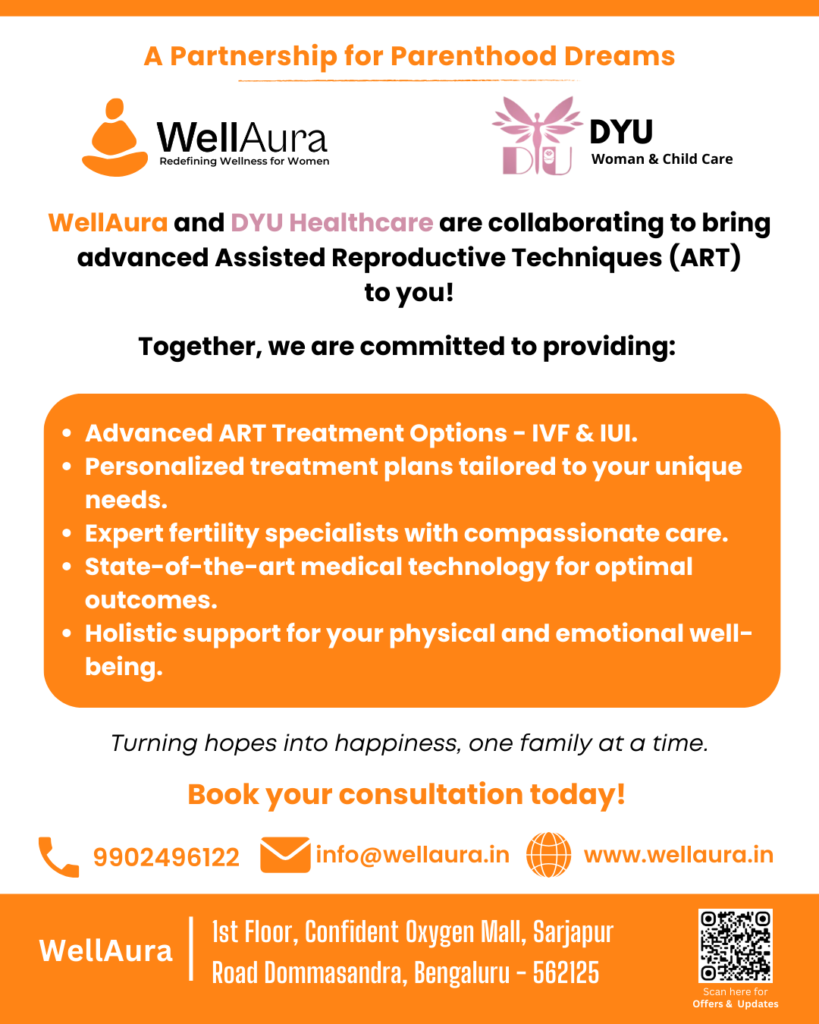
Let WellAura be your partner in creating the family you’ve always dreamed of. With cutting-edge treatments, holistic care, and a dedicated team by your side, we’re committed to turning your hopes into a beautiful reality.

We are here to guide and support you every step of the way. Let’s work together to make your dreams of parenthood a reality. Ready to take the next step? Contact WellAura today to schedule your consultation!

Menopause is an significant milestone in a woman’s life, marking the natural end of reproductive years. Though it’s a universal experience, each woman’s journey through menopause is unique, bringing a range of physical, emotional, and mental changes. This guide explores the stages of menopause, common symptoms, health implications, and effective management strategies to help women navigate this transition with confidence and comfort. Whether you’re in perimenopause, approaching menopause, or supporting someone who is, understanding what to expect can make this phase more manageable and empowering.

What is Menopause?


Menopause is a natural occurrence in a woman’s life when her menstrual periods permanently stop due to the decline in ovarian function. Usually happens between the ages of 45 and 55; menopause signifies the end of a woman’s reproductive years. A woman is considered to be in menopause after she hasn’t had a period for 12 consecutive months without any other medical reasons. While some women may experience natural menopause within the expected age range, others may go through it earlier, even before age 40, due to factors like autoimmune disorders and genetic conditions. Women can also hit menopause due to surgical procedures like the removal of both ovaries or through medical treatments that stop ovarian function, like radiation therapy or chemotherapy.

The Phases of Menopause: What to Expect


Menopause is a journey through three stages: perimenopause, menopause, and postmenopause.


Perimenopause


The transition into menopause, known as perimenopause, can feel different for everyone. It begins in women in their 30s or 40s and is caused by hormonal fluctuations that can last years. During this phase, menstrual cycles may start becoming irregular, and many women begin experiencing early symptoms like mood swings or sleep interruptions.  If these symptoms become troublesome, it is a good idea to consult your gynecologist in Sarjapur about lifestyle changes or treatments that could help. 


Menopause


Menopause is the cessation of menstruation in a woman for 12 consecutive months. It occurs between 45 and 55 years old, and the ovaries reduce their production of estrogen and progesterone at this stage, causing many physical and emotional changes.


Postmenopause


This stage starts after menopause and continues for the rest of a woman’s life. While some symptoms may go away, others can persist, so adjusting to new health conditions and changes in daily life is essential.

Common Symptoms of Menopause


The menopause transition is unique to each woman, with symptoms ranging from mild to more severe. While some women manage it through lifestyle changes like dressing in layers, reducing caffeine intake, or using a portable fan, others experience more intense symptoms that can last for years. These symptoms can differ based on race, ethnicity, health, and geographical location. Here are a few of the most common symptoms during this phase.


Hot Flashes and Night Sweats


Otherwise known as vasomotor symptoms, these are among the most common symptoms of menopause, affecting about 75% of women experiencing menopause. Hot flashes are unexpected sudden bursts of heat, mainly in the upper body and face, accompanied by sweating and flushing. They can occur during the day or at night and disrupt activities and sleep. On the other hand, night sweats are a type of hot flash that occurs during sleep and can lead to interrupted sleep. Hot flashes mostly last from 30 seconds to 10 minutes. They can occur multiple times an hour, several times a day, or once or twice a week.


Mood Swings 


Hormonal changes can trigger emotional sensitivity, anxiety, and depression. These can affect relationships and daily life. In such times, women are encouraged to ask for support if needed. Mental health support, whether through counseling, support groups, or therapy, helps women develop coping mechanisms, manage symptoms, and better navigate this life stage. Mental health professionals can also provide personalised strategies to reduce stress and anxiety and can work with women on issues like sleep, self-esteem, and mood stability.


Sleep Disturbances


During menopause, many women experience difficulty sleeping or insomnia, and their sleeping cycle shifts totally. Hormonal changes, mood swings, hot flashes, and lifestyle factors contribute to these factors, which can further worsen irritability, fatigue, and cognitive impairment, creating a challenging phase.


Vaginal Dryness


When the estrogen level decreases, the vaginal tissues get thin and lose moisture, resulting in increased urinary urgency and discomfort during intimacy. It is also essential to note that the risk of sexually transmitted infections, like gonorrhoea and HIV, remains.


Loss of bladder control


During menopause, many women face bladder and urinary issues, including incontinence, which is the loss of bladder control. This can lead to a sudden need to go or leaking when sneezing, exercising, or laughing.


Health Implications of Menopause

With symptomatic changes, menopause also brings possible long-term health implications. Below are a few to name:


    • Cardiovascular Health: Due to changes in blood pressure and cholesterol levels, heart disease risk may increase post-menopause. Maintaining a heart-healthy lifestyle is vital during this time.

    • Reduced Bone Health: Reduced estrogen levels can impact bone density and increase the risk of getting osteoporosis. Regular weight-training exercises and a rich calcium and vitamin D diet become vital.

      • Weight Gain: Hormonal changes can result in weight gain, particularly around the abdomen. Proactive management and awareness of weight through diet and exercise can make a big difference.

    Strategies for a Smooth Transition


    Menopause can be exhausting, with many physical changes and hormonal fluctuations. However, with the right strategies, one can manage these changes smoothly. By tweaking their lifestyle and considering medical help, women can get through this period with ease. Here are some effective management strategies:


    Nutrition and Exercise


    Mindful eating and staying active during this phase are key. A nutritional diet, which includes plenty of fruits, vegetables, lean proteins, and whole grains, is vital and can also help regulate a few symptoms like mood swings and hot flashes. Regular physical activity like regular walking, swimming, and yoga can improve mood and boost energy levels. 


    Stress Management


    Emotional well-being is equally essential during menopause. Meditation, deep breathing, and mindfulness are excellent stress management techniques. These strategies help you feel calm and balanced, which enables you to cope with the challenges of menopause.


    Hydration


    Dryness is one of the culprits during menopause due to decreased estrogen levels. Drinking 2 to 3 litres of water daily can help relieve these symptoms and reduce bloating associated with hormonal changes. Staying hydrated also supports weight management. Drinking 500ml of water 30 minutes before a meal slightly minimises calorie intake during mealtime.


    Hormone Replacement Therapy (HRT)


    For women with severe symptoms during menopause, Hormone Replacement Therapy (HRT) is the most effective treatment option. It can help in managing symptoms like night sweats, hot flashes, and vaginal dryness. It is crucial, however, to have a detailed discussion about the pros and cons of this treatment with your gynecologist.

    Staying Informed and Supported

    Knowing about menopause is essential for handling the shift well. Keeping yourself informed and reaching out to others in need can help you have a better experience.


    Educate Yourself


    Knowing about menopause can help women manage their condition systematically. Exploring articles, books, and quality online resources can offer valuable insights into the condition. You can also get information on symptom management, hormonal changes, and lifestyle adjustments to improve quality of life.


    Build a Support Network


    Connecting with other women in the same phase can help gain more perspective, emotional, and moral support. There are also different support networks, like online groups and social media, where women come forward to share their experiences and help others.

    Professional Guidance From WellAura


    Routine check-ups with your doctor can address specific concerns, help you manage symptoms properly, and make necessary health shifts. At WellAura, you get a holistic approach to dealing with menopause, which includes not just physical support but also mental health and emotional support. Here is what you get at WellAura:


      • Individualised Care: Healthcare professionals can assess each woman’s unique health needs and recommend lifestyle changes, nutritional support, and, if necessary, hormone replacement therapy (HRT) to alleviate symptoms.

      • Mental Health Support: Emotional changes are common during menopause, and therapists or counselors can help manage stress, anxiety, and mood swings through techniques like mindfulness.

      • Preventive Health Guidance: Doctors provide preventive screenings for bone density, heart health, and other areas impacted by menopause, supporting long-term wellness.

        • Improved Quality of Life: Professional guidance can help women navigate symptoms effectively, improving physical and emotional well-being.

      To Wrap It Up


      Menopause is a natural yet complex life transition that impacts physical, emotional, and mental well-being. By understanding the stages, symptoms, and available management strategies, women can navigate this period with greater ease and resilience. Menopause isn’t just about managing symptoms; it’s also about embracing a new phase of life with awareness and support. 


      If you’re experiencing menopausal symptoms or simply wish to learn more about your health during this transition, WellAura is here to help. Our compassionate team offers personalised wellness solutions, from hormone management to mental health support, ensuring a holistic approach tailored to your needs. Reach out today to begin your wellness journey with WellAura.